1. Finished bag
Seal layout, gussets, zipper, handle, bottom style, holes and finished dimensions.
Start with your finished bag, film or paper structure, dimensions and target output. We compare suitable machine configurations and coordinate the export handover.
Request a machine proposal“Bag making machine” covers very different converting processes. Select the closest bag family, then confirm the configuration against a real sample or drawing.
For doypacks, three-side-seal bags, flat-bottom pouches and other heat-sealed laminated structures.
View machine details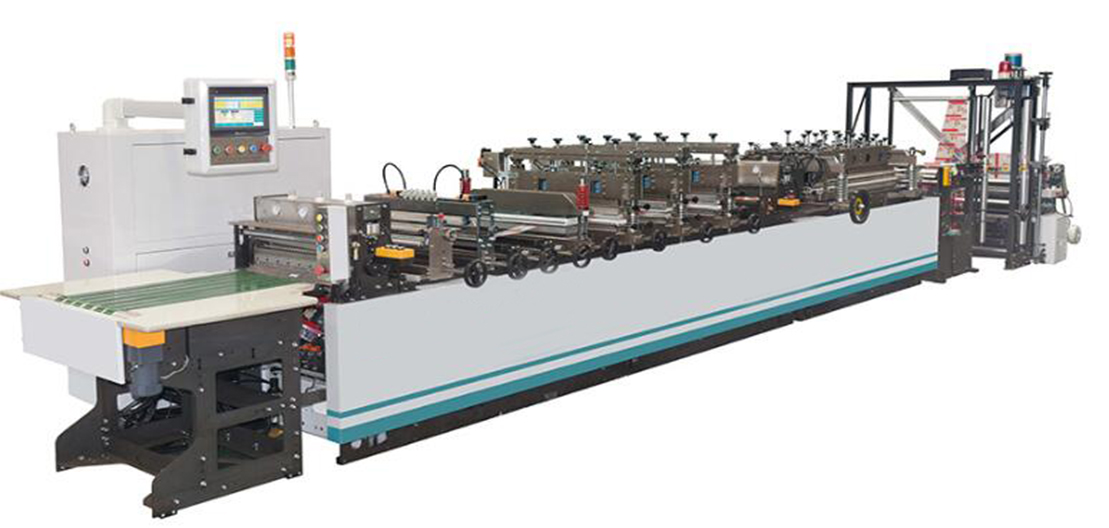
For HDPE or LDPE vest bags with sealing, cutting, counting, stacking and handle punching.
View machine details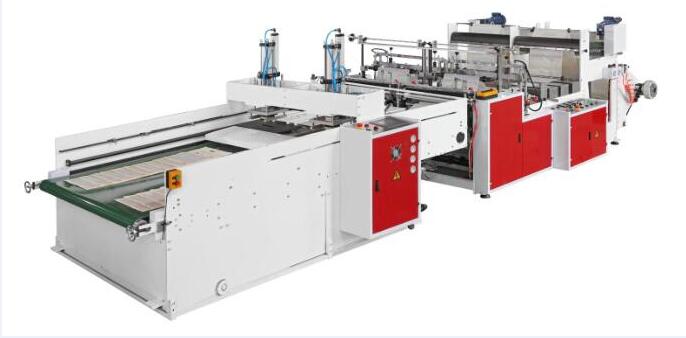
For flat, vest, box and handle-loop nonwoven bag formats with application-specific automation.
View machine details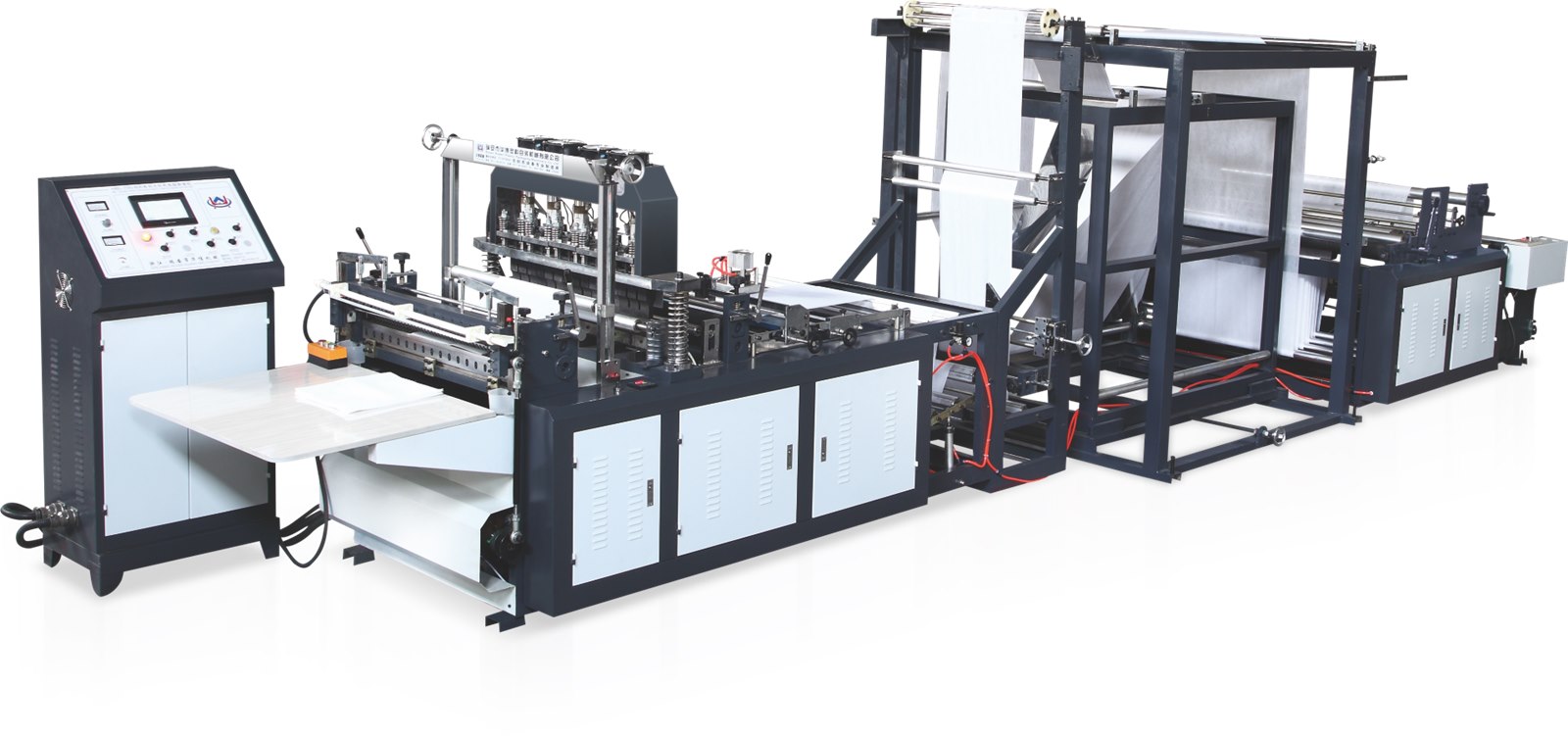
For square-bottom, food and shopping paper bags made from plain or pre-printed paper rolls.
View machine details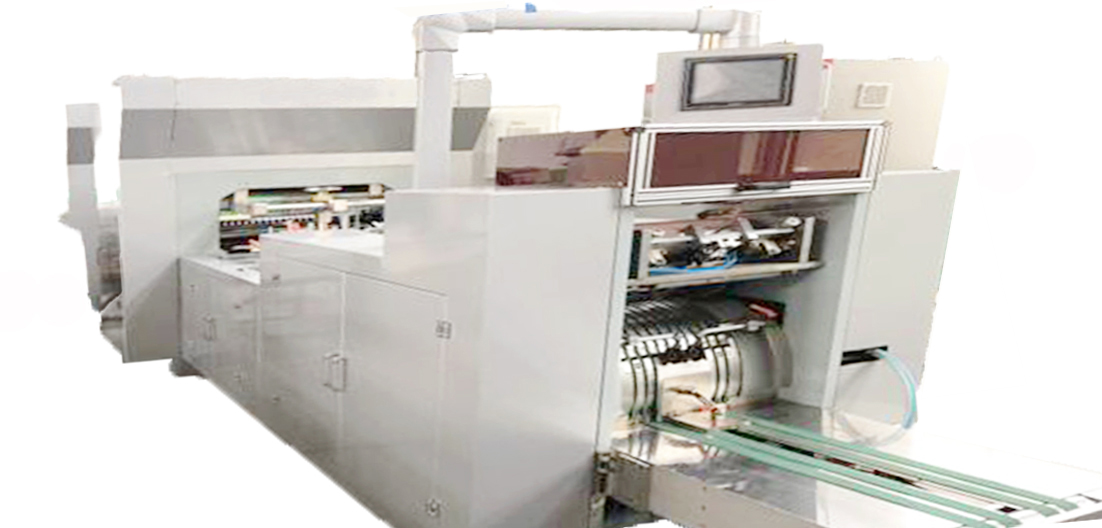
Seal layout, gussets, zipper, handle, bottom style, holes and finished dimensions.
Film or paper structure, thickness range, roll width, print repeat and coefficient of friction.
Output, working width, number of lanes, changeover needs, waste expectations and collection.
Power standard, acceptance points, spare parts, manuals, shipment, commissioning and training.
Final specifications and commercial scope are confirmed only after reviewing the required bag and production conditions.
The correct line depends on the finished bag structure, material, dimensions, sealing method, print registration, target output and optional processes. A finished sample or drawing is the best starting point.
Provide the bag type, width and length, material structure and thickness, zipper or gusset details, print repeat, target speed, destination country and local power standard.
Yes. The scope can include supplier comparison, configuration review, inspection points, export documents, shipment coordination, remote setup, operator guidance and spare-parts follow-up.
Send it with the material, dimensions, target speed and destination country.